Note · 14 October 2026
FAST lane vs general lane: why queue length behaves differently at the border
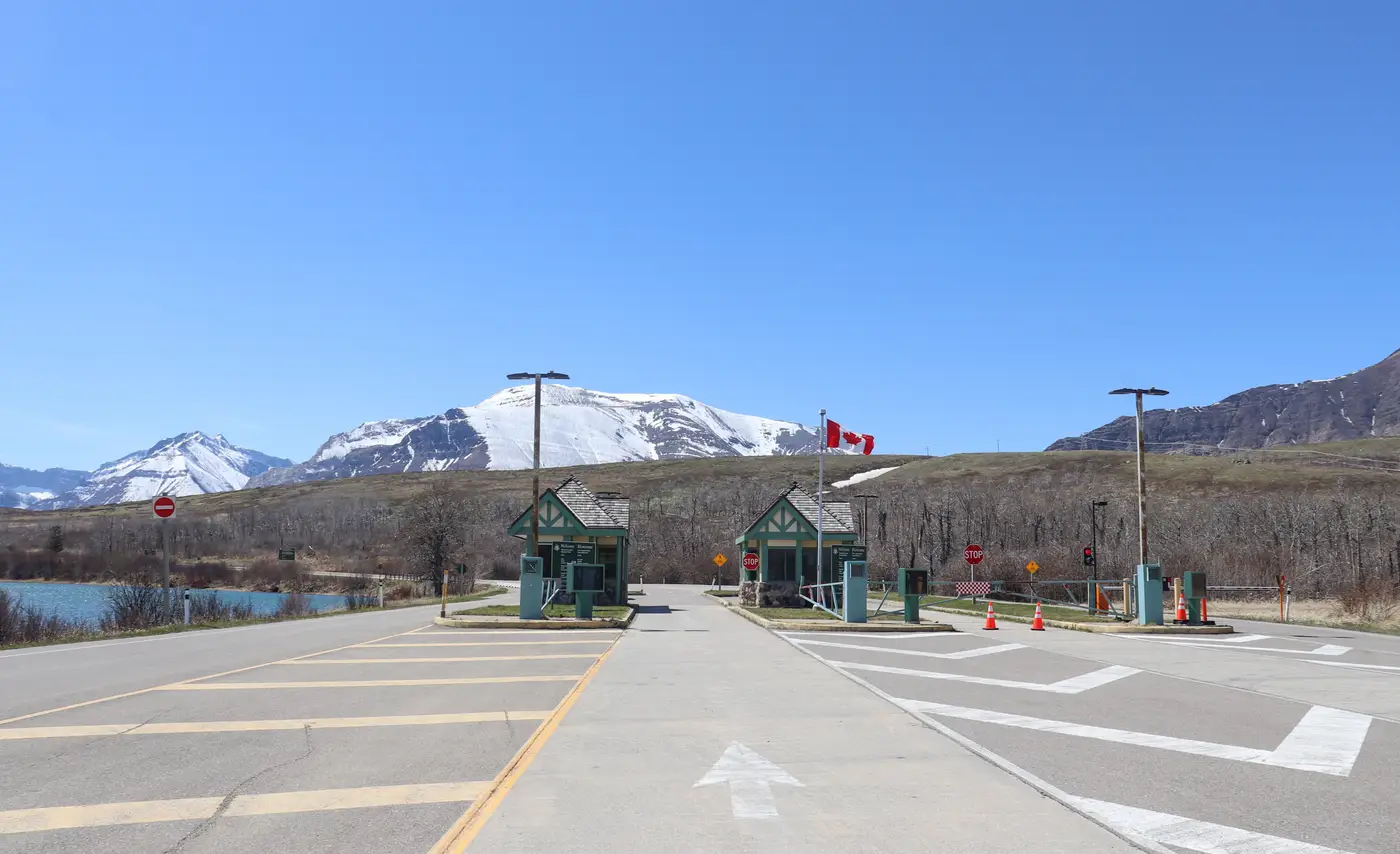
Anyone who has watched a crossing through a shift change knows the FAST lane and the general lane don't fill the same way, don't clear the same way, and don't tell you the same thing when you check them. If you're planning dispatch windows or briefing a shipper on expected delay, treating both lanes as one queue is how the estimate goes wrong.
Why the FAST lane runs shorter, until it doesn't
FAST (Free and Secure Trade) lanes exist because the carrier and driver are already vetted. CBP or CBSA isn't running the same document checks they'd run on a general commercial lane, so the queue usually clears faster per truck. On a normal morning that lane looks almost empty next to the general commercial backup.
The catch is that the FAST lane has fewer booths open and less slack built in. Pull one officer for a shift change, run a random secondary inspection on a flatbed near the front, or have the lane physically close for maintenance, and the queue behind it builds fast because there's no second channel absorbing the overflow. A FAST lane backup of even a dozen trucks can represent a much bigger delay, as a share of normal wait, than the same dozen trucks sitting in general commercial.
NEXUS lanes for passenger vehicles follow a similar pattern on the car side. The trusted traveler lane is usually the fast option, but it's also the lane most sensitive to staffing gaps, because there's no redundancy built into a single dedicated channel the way there is across four or five general lanes.
General lane congestion builds differently
The general commercial lane carries more volume and more variability, since it's taking every carrier that isn't enrolled in a trusted trader program, plus anyone bumped out of FAST because of a document flag or a random check. That mix means the queue grows and shrinks more gradually. It rarely empties out the way a FAST lane can on a slow Tuesday, but it also rarely spikes as sharply off a single staffing change, because the volume is spread across more lanes and more booths.
This is where trusted trader lane backup turns into a real planning problem. When FAST traffic gets pushed into general commercial, whether from a closure, a suspension, or just a carrier losing trusted status mid-route, that truck doesn't disappear. It joins a queue that was already carrying its own baseline congestion. A planner watching only the general lane length might miss that today's backup started in the FAST lane an hour earlier.
What this means for how you check the queue
A single wait-time number for "the crossing" is really an average of two lanes that aren't behaving the same way this hour, and averaging them erases the one number you need to see. A bridge can show a 20-minute general lane and a 5-minute FAST lane at 7 a.m., and both numbers flip within the hour if one lane gets staffed down. Planners who track dedicated commercial lane congestion separately from the trusted trader lane catch the handoff between the two before it shows up as a surprise in dispatch.
Most crossings don't have a sensor counting vehicles lane by lane, so comparing the two usually comes down to a phone call to the broker on-site, a look at a traffic camera feed if one exists, or a driver reporting back after the fact. None of those give you both lanes at once, at a moment you choose.
That's the gap Queue Length Monitor is built around: an on-demand satellite pass over a specific crossing that shows how far each lane's line actually stretches back from the gate, FAST and general side by side, with the marked-up image to back it up. If you need a same-day read of both lanes before you commit a dispatch window, that's what we built the service for.