Note · 16 November 2026
Field notes: the bridge that always runs long on paydays
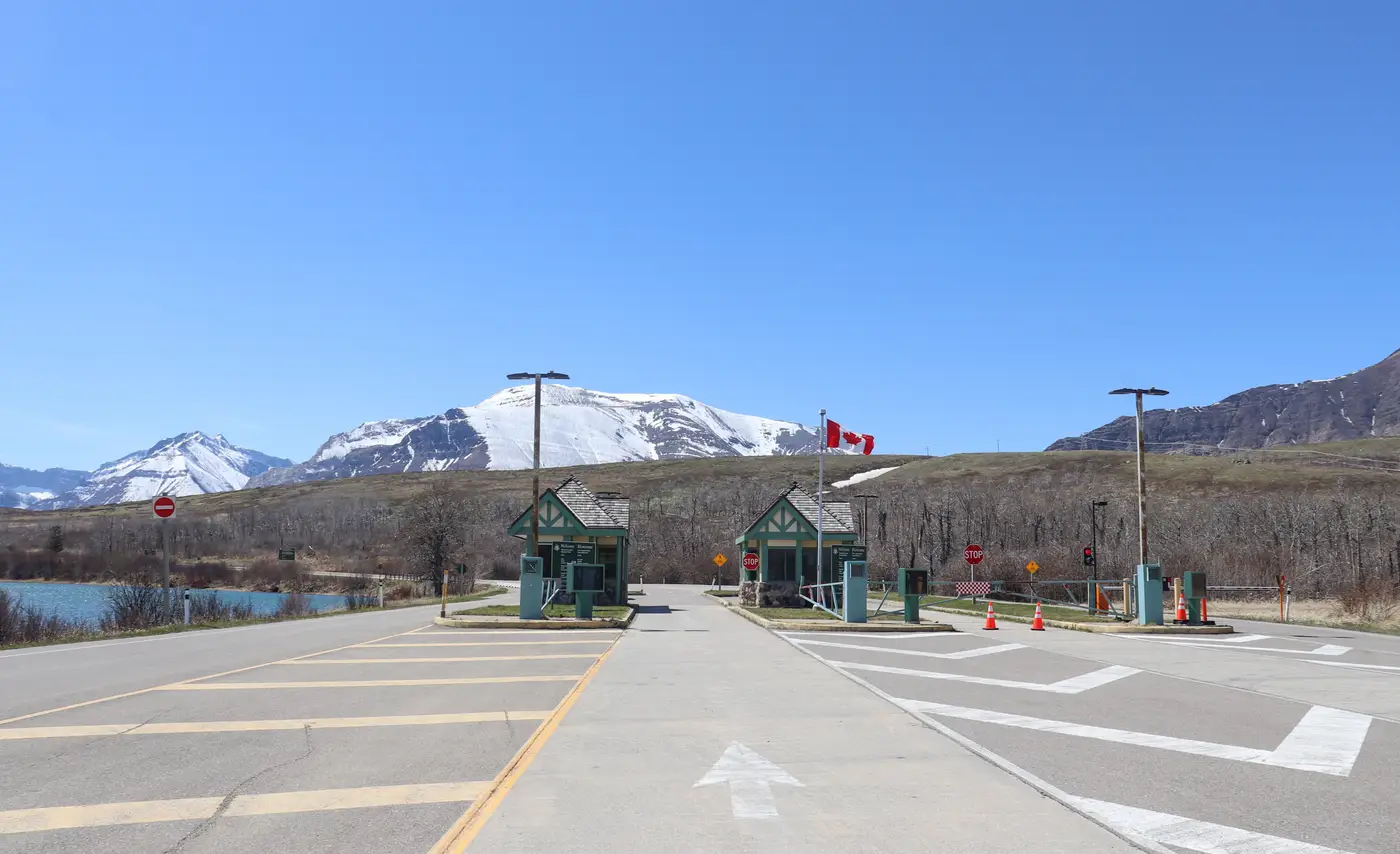
There's a bridge on my rotation that every planner in the sector knows by feel before they know it by name. Ask anyone who's worked that crossing for more than a season and they'll tell you the same thing without checking a calendar: it runs long on the 1st, the 15th, and whatever Friday falls closest to either one. Paydays. Every time.
The first year I covered this crossing, I chalked it up to coincidence. Then I pulled three months of shift logs and the pattern was almost embarrassingly clean. Primary inspection times crept up by a third on paydays. The staging lane that normally clears in under an hour was still backed past the fuel stop at the two-hour mark. Drivers who'd made this run for a decade quit asking dispatch about it years ago. They build the extra hour into the schedule as a matter of course.
What's happening is simple once you lay it out. Payday pulls two kinds of traffic that don't normally overlap. There's the regular freight flow, steady as it ever is, running on its own clock. And then there's the surge of private vehicles and light commercial traffic crossing to bank, to shop, to send money home, to do the dozen small errands that pile up when cash finally lands in an account. Neither flow is the problem on its own. It's the two of them hitting the same gate inside the same four-hour window, every single pay cycle, a pattern regular enough to set a watch by.
It happens on a schedule anyone could chart, and we still treat it like weather. Dispatch reroutes trucks around it on the fly instead of ahead of time. Shift supervisors call in extra booth staff after the backup is already visible from the overpass, which is a bit like calling the fire department after you can see the smoke from your porch. Nobody loses their job over it, but everyone loses an afternoon.
I started keeping informal notes, nothing scientific, just a planner's habit of writing down what the line looked like and when. What struck me, re-reading a stack of these notes last month, is how much of the real information lives in how far back the line stretches rather than in the wait time at the booth. Wait time at the booth tells you what's already happened. Queue length tells you what's coming. A line that's crept back past the last turnoff an hour before the booths even feel it is the earlier, more useful signal, and it's the one most crossings never capture.
That's the gap that's hard to close with a camera fixed to a pole or a sensor buried in the lane. Ground equipment tells you about the lane it's sitting in. It doesn't tell you the line just wrapped around the bend two kilometers back where nobody's watching. For a crossing with no sensor coverage at all, which describes more terminals than most people outside the trade would guess, the honest answer on a given payday afternoon is often just a shrug and a radio call to whoever's closest to the gate.
This is the kind of thing a single overhead image settles in about a minute. A bridge that runs long four or five predictable days a month doesn't justify a permanent install, but it does justify an answer on those specific afternoons, something you can point to when you're deciding whether to hold a truck an extra hour at the yard or send it toward the gate. That's the whole case for calling up a queue-length reading on demand instead of sinking money into a fixed camera for a problem that only shows up on a schedule tied to paydays.
Most crossings probably run some version of this payday pattern. The one I watched just happened to be obvious enough that even a skeptical planner like me ended up writing it down. Worth checking whether yours has its own quiet rhythm nobody's bothered to chart before the next payday Friday catches your dispatch desk off guard. If you want a number for the line length instead of a guess from whoever's standing closest to the gate, that's what Queue Length Monitor is built to hand you.