Note · 2 November 2026
Field notes: the Friday before a holiday weekend when the queue didn't move
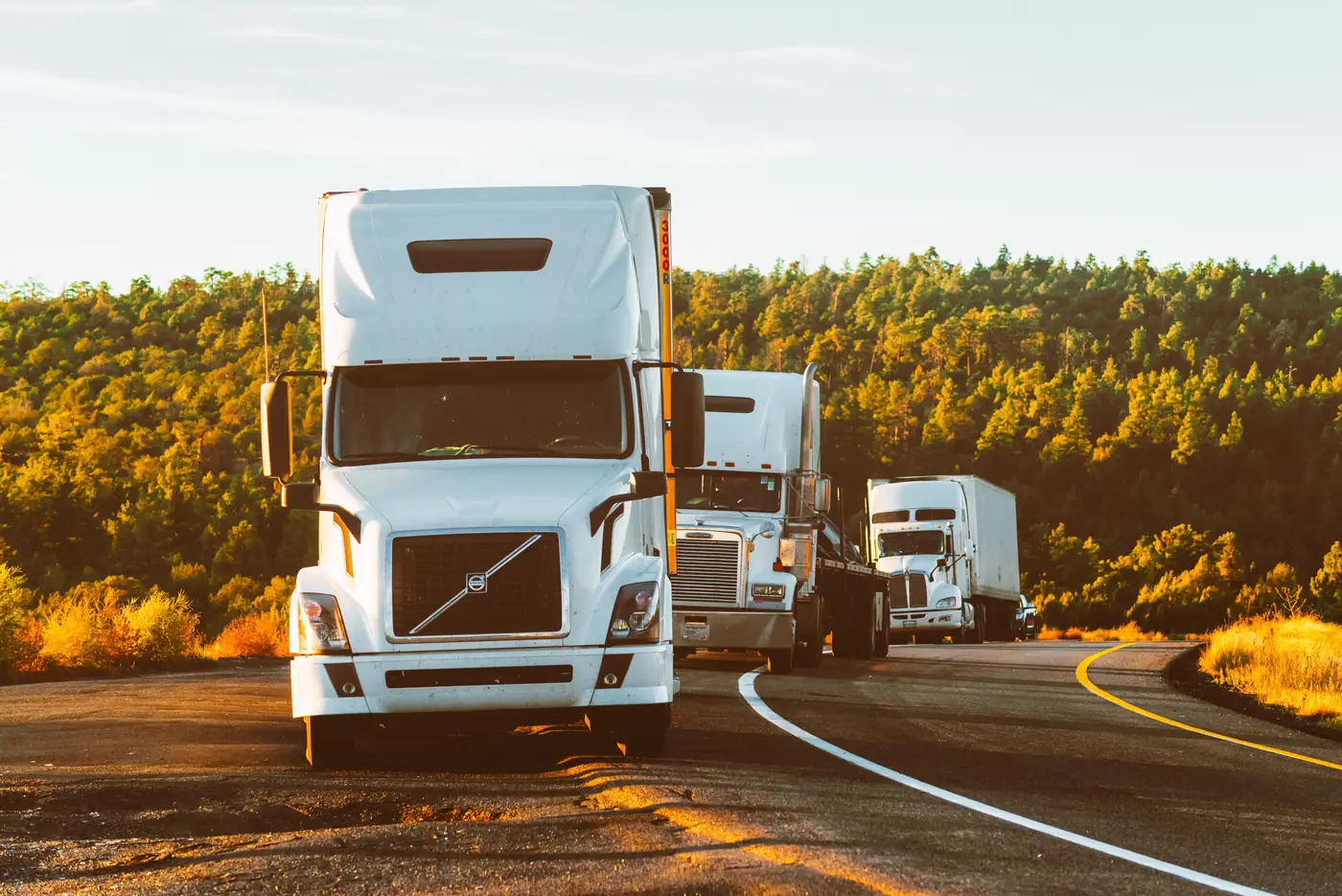
The call came in around 2:40 on the Friday before the long weekend. A dispatcher said her driver had been sitting still for forty minutes somewhere past the truck stop, and she wanted to know if it was worth rerouting the next three loads to the other crossing forty miles east.
I didn't have a good answer. Our camera at the plaza covers the booths and maybe the first quarter mile of queue. Past that it's just a bend in the road and a gravel shoulder where, on a normal Tuesday, nobody needs eyes. On the Friday before a holiday weekend, that bend is exactly where it starts to matter.
This is the part of the job nobody puts in the slide deck. You have good data on throughput at the booth: how many vehicles cleared primary in the last hour, how many got pulled for secondary, average dwell time per lane. What you don't have is the thing the carrier wants to know, which is how far back the line goes and whether it's still growing. Those are different questions. One tells you how fast the front of the queue is clearing. The other tells you whether the back of the queue is about to swallow the interchange.
By 3:15 the drivers' group chat (yes, there's a group chat, and yes, it's more current than our own telemetry some days) had the queue past the second overpass. Someone posted a dashcam photo. A windshield photo tells you about the three trucks ahead of that cab, nothing further back than that. I've learned not to trust one for anything past "yeah it's backed up."
What happened that day, we only pieced together after the fact: a mechanical hold at one inspection lane around 1:50, combined with the usual Friday-before-a-long-weekend volume spike, combined with a chunk of local traffic that had nothing to do with the border but was feeding into the same two-lane approach. None of those three things alone would have closed the shoulder lane to emergency access. Together, they did, for about ninety minutes, and nobody with a dashboard view knew it was happening until a state trooper called it in.
The frustrating part isn't that the queue got long. Queues get long before holidays. That's not news to anyone who's worked a crossing more than one season. The frustrating part is that we spent the whole afternoon reconstructing where the line ended from phone calls, a few photos, and guesswork, instead of just looking at it. Ground sensors stop where the budget stops, and the budget stops well short of the second overpass. Cameras aim where the infrastructure already exists, which is the plaza, not the approach road three miles back.
What I wanted that afternoon was boring and specific: a current picture of the corridor, wide enough to show where the back of the line actually sat, so I could tell the dispatcher something better than "sounds bad, maybe reroute." That's the gap a site like Queue Length Monitor is built around: an on-demand overhead pass of the approach, marked up with a queue length estimate, delivered as a note you can forward to a dispatcher without a disclaimer attached.
We didn't have that tool that Friday. We used phone calls and a trooper's radio report, and by the time we had a clear picture the worst of it had already cleared on its own. Next pre-holiday Friday, I'd rather know where the line ends before the group chat tells me.
If your crossing has the same blind stretch past the last camera, it's worth seeing what an on-demand pass over your own approach road would show.