Note · 19 October 2026
Field notes: the morning the harvest trucks backed up past the weigh station
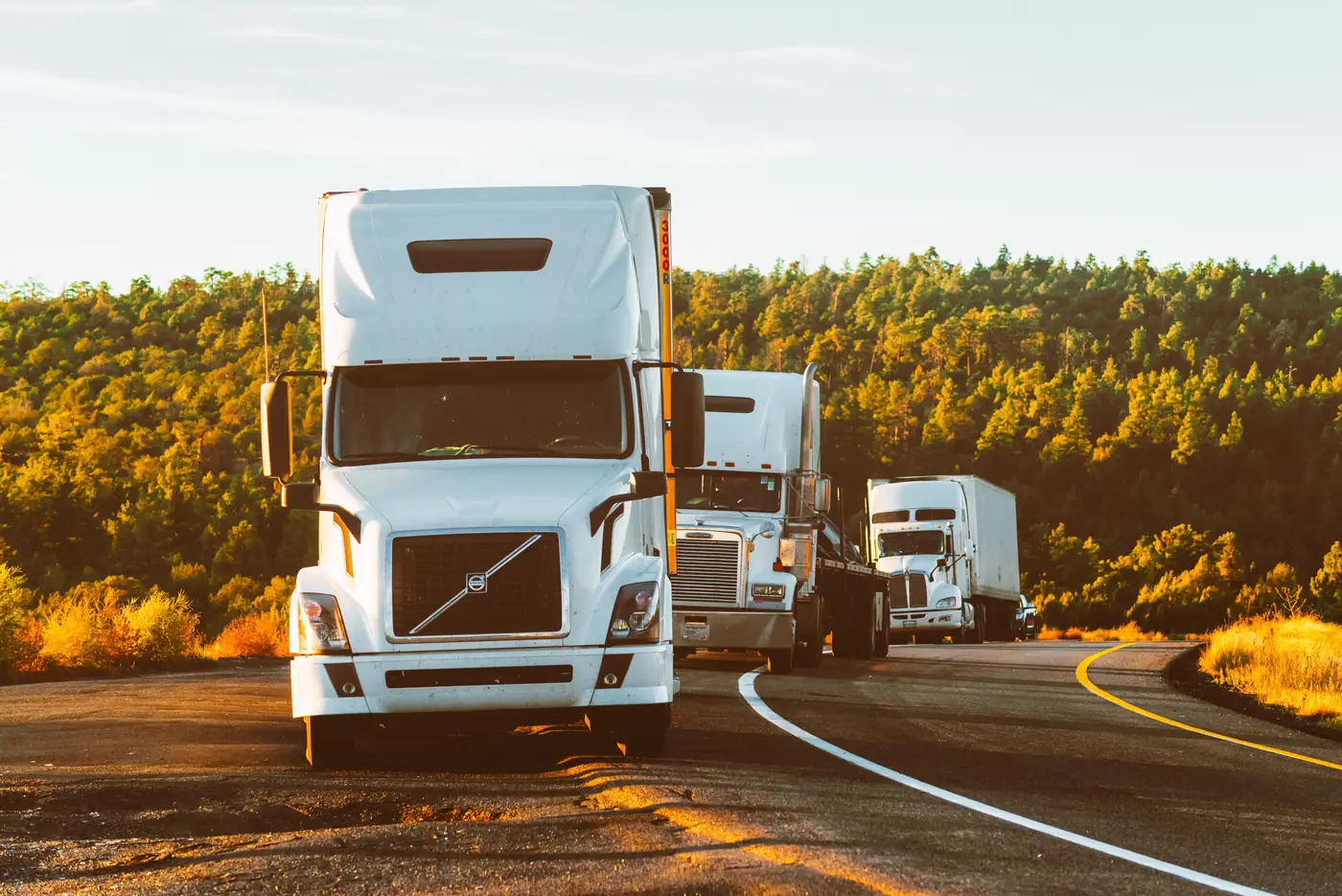
There's a particular kind of radio call that tells you harvest season has started before any calendar does. The scale house calls to say the line's already past the weigh station, and it's not even seven.
We got that call on a Tuesday in late September, the kind of morning where the fog hadn't burned off the fields yet but the trucks had clearly been moving since four. By the time the sun was properly up, the queue had backed up from the primary inspection lanes, past the weigh station, past the turnoff for the long-haul lot, and was threading back toward the state road. Nobody had called it in advance. Nobody ever does.
This is the thing about produce movement that doesn't show up in the annual freight forecasts: it's lumpy. A cold snap two states over pushes a harvest window up by four days, and suddenly every grower in a three-county radius is trying to move the same crop through the same gate before it turns. The trucks don't trickle in. They arrive in a wave, usually right as the first inspection shift is still getting its coffee, and the wave doesn't care what your average daily volume model says it should look like.
What makes the produce surge different from, say, a holiday-week freight crunch is the clock running inside every trailer. A load of steel can sit in a queue for six hours and nobody loses a cent. A load of soft fruit sitting in the same six hours is a different conversation entirely, and the driver knows it, which is why you start seeing trucks idling with their reefer units cranked, burning fuel just to buy the cargo a little more time while the line barely moves.
The weigh station becomes the de facto marker everyone uses to talk about how bad it is. "Past the scale" is shorthand on the radio for a queue that's already eaten the holding lanes and started spilling onto the approach road. "Back to the old grain elevator" means something worse. These are landmarks that exist nowhere on a traffic report, but every dispatcher and every planner on that corridor knows exactly what they mean and roughly how many trucks that distance represents.
The frustrating part isn't that the surge happens. Surges happen every season, every crop, every crossing that handles agricultural freight. The frustrating part is finding out how bad it got that morning only after three separate carriers call in to complain, by which point the queue has either resolved itself or gotten considerably worse and you're reacting instead of managing. A gate agent's visual estimate from the booth is honest but it's also looking down a line of trucks at an angle, in fog, at seven in the morning, and it's not going to tell you whether the backup runs four hundred meters or four hundred meters.
We started pulling same-day satellite passes on the mornings we expected a surge, mostly because we got tired of guessing. A pass ordered at dawn gives you a marked-up image back with the queue measured end to end, the same kind of reference the scale house uses when they say "past the weigh station," except now it's a number instead of a landmark. Queue Length Monitor builds that image into a one-page briefing: where the crossing is, how long the line runs, and the picture it's drawn from, so when the next call comes in about trucks backed up past the scale house, there's something more concrete to hand the regional office than a shift report written from memory.
It doesn't stop the surge from happening. Soft fruit still runs on its own clock and harvest windows still move on their own schedule. But knowing the queue is four hundred meters and still growing, rather than hearing "it's bad out there" secondhand, is the difference between a morning you manage and one you just survive.
If your crossing gets these mornings every harvest season, it might be worth having that measurement ready before the next one hits.