Note · 2 November 2026
What a secondary inspection bay does to your queue length reading
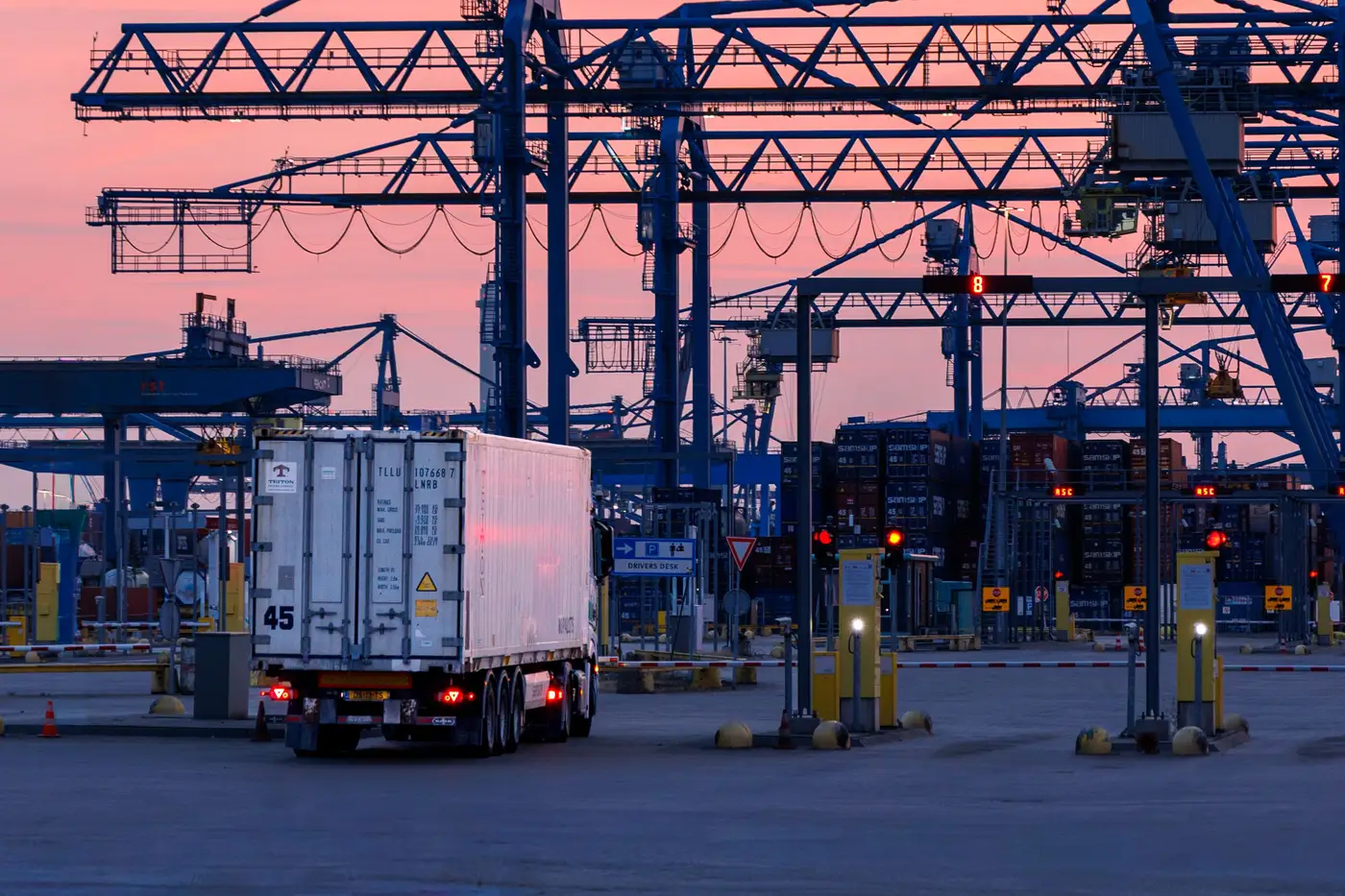
Two lines, one crossing
Every working crossing has a primary line and, somewhere off to the side or behind the booths, a secondary inspection area. Primary is the fast pass: document check, a question or two, wave-through. Secondary is where a vehicle gets pulled for a longer look, whether that's a manifest discrepancy, a random selection, a dog alert, or paperwork that needs a second set of eyes.
The two lines don't behave the same way, and that matters more than it sounds like it should when you're trying to answer one question: how far back does this crossing's queue stretch right now.
A truck in primary is moving, even slowly. Ten vehicles in primary at 8am might mean a twenty-minute wait. Ten vehicles sitting in a secondary inspection bay can mean two hours, because each one is parked until an officer finishes with it, not inching forward on a shared clock. Count them the same way and you've mixed two different kinds of delay into one number.
Why it throws off an image-based count
This is the part that catches planners who are used to ground sensors or loop counters tied to a single lane. A sensor on the primary lane counts what crosses it and nothing else. An image of the whole crossing, by contrast, shows every vehicle on the apron at once: primary queue, secondary bay, staging lot, the truck that pulled over because the driver's getting a sandwich. All of it is in frame.
That's an advantage for seeing the whole site, but it means the imagery has to be read with the layout in mind, not just vehicle count. A few things to check before you call a number a "queue length":
- Where the secondary bay sits relative to the primary lane. At some crossings it sits parallel, close enough that a dense cluster can look like one long line stretching back from the gate when it's actually two separate pockets of vehicles.
- Orientation of the parked vehicles. Secondary bays often angle vehicles into bays or rows rather than nose-to-tail, which is a visual cue that they're not part of the moving queue even when they're bunched close together.
- Distance from the booth. A queue extent reading is measured as distance back from the gate along the lane of travel. Vehicles sitting in secondary, even if they're physically closer to the booth than the tail of the primary line, aren't part of that measurement. They're a separate count with a separate meaning.
Skip that read and a crossing with a short, fast-moving primary line plus a backed-up secondary bay can look, on a quick glance, like it has a long queue. Flip it around and a primary line that's genuinely long can get undercounted if a few of its vehicles are mistaken for secondary traffic sitting off to one side.
What this means for staffing calls
If you're the one deciding whether to open another lane or pull an officer from documentation review to run a second secondary bay, the distinction isn't academic. A long primary queue with an empty secondary bay points to one fix: more booths open. A short primary queue with a packed secondary bay points to a different one: more hands doing inspections, not more lanes moving traffic.
Reading both numbers off the same image, at the same moment, is what makes that call possible without a radio check to the checkpoint. A good queue length reading reports the primary line extent and flags whether secondary inspection is backed up separately, rather than folding the two into one figure that hides which problem you're actually looking at.
That's the whole reason we built Queue Length Monitor around a single annotated image instead of a raw vehicle count: the picture shows you which line is the one worth acting on.
If your crossing doesn't have a ground sensor and you need a straight answer on queue extent today, an on-demand pass and a numbered briefing note will give you one.